
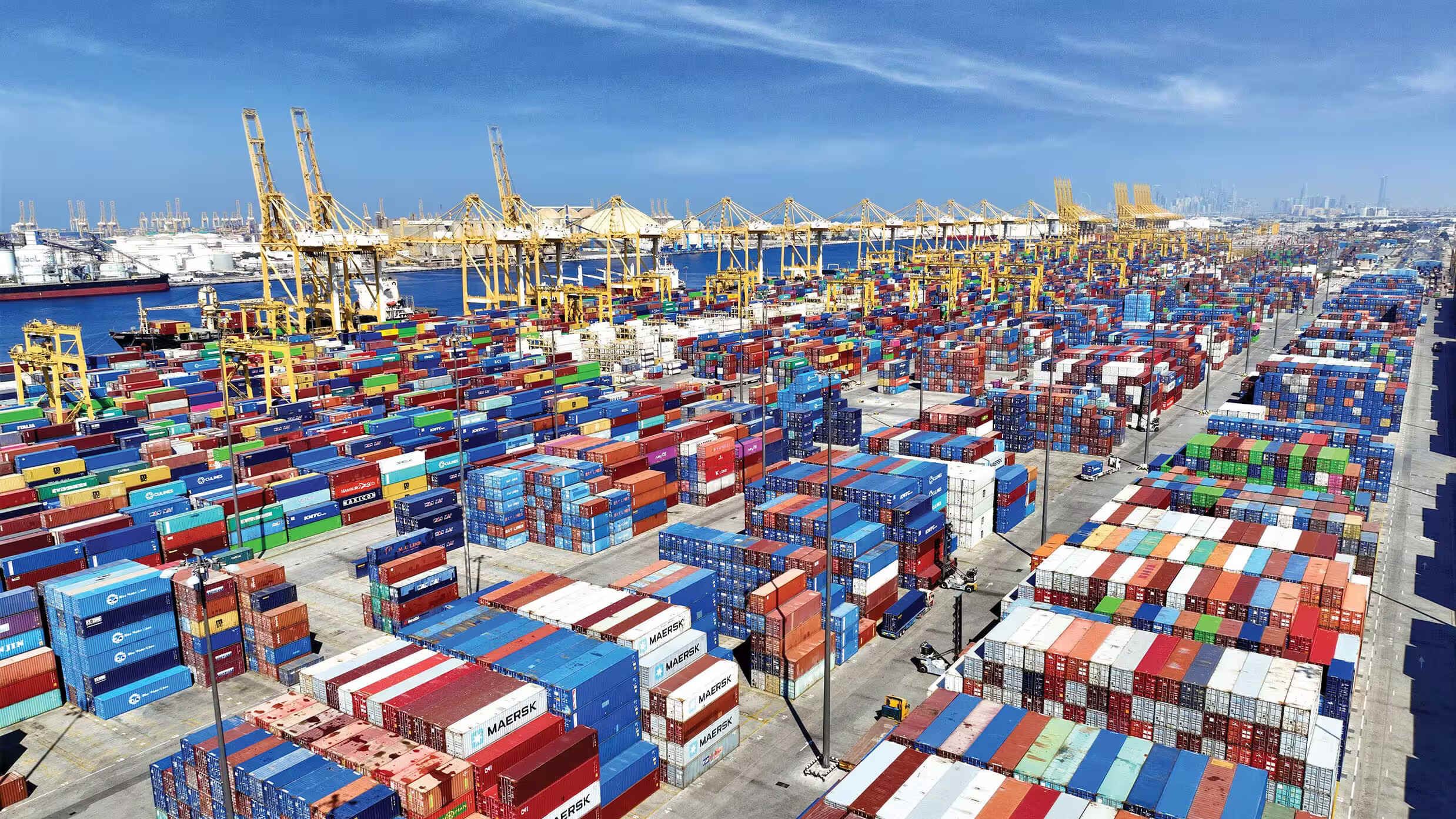
Jebel Ali Port is not just Dubai's port — it is one of the most strategically important container terminals on the planet. Whether you are importing goods into the UAE or exporting from Dubai to global markets, understanding Jebel Ali is essential for anyone in international trade. This guide covers everything importers and exporters need to know.
Why Jebel Ali Matters
Opened in 1979 and operated by DP World, Jebel Ali Port has grown from a greenfield project to the 9th largest container port in the world (by TEU throughput). Key facts:
- 67 berths across 4 terminals
- 15+ million TEU annual throughput capacity
- 150+ shipping lines calling at the port
- 24/7 year-round operations — no port closures
- Directly adjacent to Jebel Ali Free Zone (JAFZA) — the world's largest free zone
For businesses in the Middle East, South Asia, East Africa, and beyond, Jebel Ali is the natural ocean freight gateway. Its geographic position — equidistant between East and West — means shorter transit times and more direct service compared to routing through European hubs.
Port Layout: Terminals and Zones
Understanding the terminal structure helps you work more effectively with your freight forwarder:
Container Terminal 1 (CT1)
The original container terminal, handling mainline vessel calls from major carriers including MSC and Maersk. Features automated stacking cranes (ASC) and deep-water berths accommodating ultra-large container vessels (ULCVs) up to 24,000 TEU.
Container Terminal 2 (CT2)
Expanded capacity terminal with 19 super post-Panamax cranes. Handles direct calls from CMA CGM, Hapag-Lloyd, and Evergreen among others. Modern IT integration with DP World's Cargospeed platform for real-time cargo tracking.
Container Terminal 3 (CT3)
The newest addition — automated and semi-automated handling with some of the fastest vessel turnaround times in the world. Priority berths for time-sensitive services.
JAFZA On-Port Zone
The Jebel Ali Free Zone Authority (JAFZA) operates directly adjacent to the port. JAFZA tenants enjoy bonded warehousing, customs pre-clearance, and direct port access — effectively eliminating the port gate step for free zone users. Over 9,000 companies operate from JAFZA.
How to Ship Through Jebel Ali: Step-by-Step for Importers
Step 1: Booking
Your freight forwarder or shipping line issues a booking confirmation once space is confirmed on a vessel. For LCL, you receive a cut-off date for cargo delivery to the consolidation warehouse. For FCL, the shipping line allocates an empty container for stuffing.
Step 2: Documentation
Key documents required for import clearance at Jebel Ali:
- Bill of Lading (BL) or Sea Waybill
- Commercial Invoice
- Packing List
- Certificate of Origin (CoO) — especially for preferential duty rates
- Any product-specific certificates (health, conformity, halal, etc.)
Step 3: UAE Customs Clearance
All imports into the UAE are processed through the Federal Customs Authority (FCA) and Dubai Customs. Your freight forwarder files the customs declaration (Bill of Entry) electronically via the DP World/Dubai Trade portal. Most standard shipments clear within 24–48 hours of vessel arrival.
Step 4: Port Release and Delivery
Once customs is cleared and port charges are settled, the terminal issues a delivery order. FCL containers are transported by truck to your facility or JAFZA warehouse. LCL cargo is deconsolidated at a CFS (container freight station) near the port.
Common Mistakes to Avoid
- Incorrect HS Codes: Using the wrong Harmonised System commodity code leads to clearance holds, wrong duty assessment, and potential penalties. Always verify HS codes with your customs broker before shipping.
- Missing or incorrect Certificate of Origin: UAE FTA (Free Trade Agreement) benefits with GCC and other partner countries require a valid CoO from the country of manufacture. Missing or incorrectly issued CoOs delay clearance and increase duty costs.
- Undervaluation: UAE Customs cross-references declared invoice values against market price databases. Undervaluing cargo to reduce duty is a customs offence and triggers examinations.
- Booking cut-off misses: LCL shipments have strict consolidation cut-off deadlines. Missing by even a few hours means your cargo misses the vessel and rolls to the next sailing — often a week later.
- Ignoring reefer and DGR pre-approvals: Refrigerated cargo and dangerous goods require pre-booking of specialised equipment and pre-approval from the port authority. Last-minute arrangements are rarely accommodated.
Jebel Ali vs Abu Dhabi Khalifa Port: When to Use Which
Khalifa Port (KIZAD) in Abu Dhabi is a modern deep-water port with significant capacity. Knowing when each port suits your shipment saves time and cost:
- Use Jebel Ali if: Your cargo is destined for Dubai, Northern Emirates, or re-export to GCC countries; you need maximum carrier choice (150+ lines); your shipper uses JAFZA logistics.
- Use Khalifa Port if: Your final destination is Abu Dhabi or Al Ain; your supplier or buyer is in KIZAD Free Zone; Abu Dhabi-specific government contracts require port-of-entry designation.
For most UAE trade, Jebel Ali remains the default due to superior shipping line coverage and ecosystem depth. Emirates Freight can advise which port optimises your specific trade lane and cargo type.
Emirates Freight: Your Jebel Ali Shipping Partner
Emirates Freight is a licensed UAE freight forwarder with deep operational expertise at Jebel Ali Port. We handle FCL and LCL bookings, customs clearance, JAFZA logistics, and door-to-door delivery across the UAE and beyond.
Contact our team today for a Jebel Ali ocean freight quote. Whether you are importing goods to Dubai or exporting from the UAE, we provide end-to-end logistics support — from booking through customs to final mile delivery.